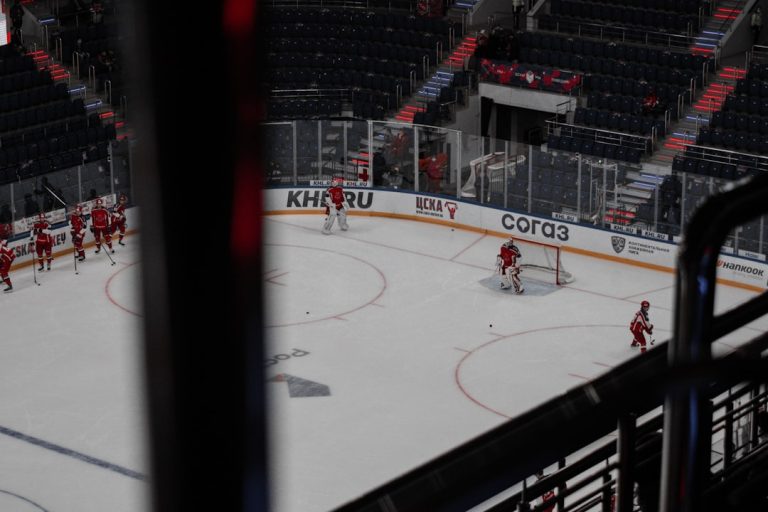
Red Wings Playoff Drought Hits Decade: What It Means for NHL Futures
Wings' playoff hopes end as drought hits decade in 2026. Analysis of Detroit's collapse and what sharp bettors should know about their futures value.
Red Wings Playoff Drought Hits Decade: What It Means for NHL Futures
The Wings’ playoff hopes end as drought hits decade in 2026, and if you had Detroit futures tickets in your pocket, Saturday’s 5-3 loss to New Jersey just lit them on fire. The Red Wings became just the second team in NHL history to post 69+ points through 53 games and still miss the postseason—a collapse so statistically improbable that sharp bettors who faded Detroit down the stretch cashed handsomely while the public held dead paper.
This isn’t just another “rebuilding year” write-off. Detroit held a playoff position for 148 days this season. They led the Atlantic Division in late January. The market had them priced as legitimate contenders, and the books adjusted accordingly. Then the post-Olympic break implosion happened, and anyone tracking their underlying metrics saw the iceberg before the ship hit it.
Market Overview: The Collapse in Numbers
Detroit’s futures odds told the story before the final buzzer. After the Olympic break, the Red Wings went from +350 to make the playoffs to north of +800 in a matter of weeks. Sharp money moved off Detroit aggressively in early March when their expected goals metrics cratered despite holding a wild card spot.
The Saturday loss to New Jersey—a team already playing out the string—was the final nail. Detroit blew leads in all three periods against a Devils squad with nothing to play for. That’s not variance. That’s a team showing you exactly who they are.
For those tracking line movement on the game itself: Detroit opened as -160 home favorites and closed at -145. The reverse movement suggested sharp action on New Jersey, and those tickets cashed when Jesper Bratt’s go-ahead goal in the third exposed Detroit’s defensive structure one final time.
Current Odds Snapshot
With Detroit’s season officially over, here’s where the relevant markets stand:
No active game odds available—Detroit’s season has concluded. Futures markets for 2026-27 have not yet opened. Check back at bet105 for early lines when summer markets post.
Key Factors: Why the Collapse Was Predictable
1. Unsustainable Save Percentage
John Gibson posted a .921 save percentage through January. Post-Olympic break? That number cratered to .889. Gibson’s performance regression was visible in his expected goals against numbers—he was playing above his head early, and the market didn’t fully price in the correction until it was too late for public bettors.
2. Third Period Disasters
Detroit’s record when leading after two periods: 24-8-2. Their record when tied or trailing? A catastrophic 8-19-4. This team couldn’t close games, and Saturday’s triple-blown-lead disaster was the logical endpoint of a season-long trend. Sharp bettors who hammered live unders and opponent moneylines in third periods feasted.
3. Special Teams Regression
The Red Wings’ power play clicked at 26.4% in the first half—fifth in the league. Down the stretch? 14.2%. When your PP props up your offense, and it disappears, you’re cooked. The market adjusted, but casual bettors kept backing Detroit based on first-half numbers that no longer applied.
4. Schedule Strength Masked Weaknesses
Detroit’s early-season point accumulation came against the softest schedule segment in the Eastern Conference. When they faced playoff-caliber opponents in March and April, their record was 3-9-1. Strength of schedule adjustments are where sharp bettors separate from the pack.
Sharp Angle: The Yzerman Question
Steve Yzerman has been GM for seven years. The rebuild that was supposed to produce a contender has now produced a decade-long playoff drought—the longest active streak in the NHL.
Here’s what matters for futures bettors: Detroit’s core is locked in. Lucas Raymond, Dylan Larkin, Moritz Seider—they’re not going anywhere. The question is whether Yzerman makes aggressive moves this offseason or continues the patient approach that’s yielded nothing but lottery picks and false hope.
If Detroit’s 2026-27 futures open anywhere south of +3000 to win the Stanley Cup, there’s no value. This is a team with structural problems that won’t be fixed by one offseason. Their goaltending is a question mark, their defensive depth is thin, and their forward group—while talented—hasn’t proven it can handle playoff-intensity hockey.
The sharp play next season will be fading Detroit in divisional matchups against Tampa, Toronto, and Boston until they prove otherwise. Their home ATS record against playoff teams this season: 5-11. That’s not a number that suggests regression to the mean—that’s a number that suggests a team that gets exposed by quality opponents.
What This Means for 2026-27 Betting
When summer markets open, here’s what to watch:
- Division futures: Detroit will likely open +600 to +800 to win the Atlantic. Unless they make a significant goaltending upgrade, that’s dead money.
- Win totals: Expect an over/under around 89.5 wins. The under has cashed in five of their last six seasons.
- Player props: Raymond’s point total will be interesting. He’s talented enough to put up 80+ points on a bad team, but his late-season production (12 points in final 25 games) suggests the pressure got to him.
For now, file Detroit under “avoid until proven otherwise.” This is a franchise that’s shown you who they are for a decade. Believe them.
The Bottom Line
The Wings’ playoff hopes end as drought hits decade, and the betting market had it right down the stretch. Sharp action moved off Detroit weeks before the mathematically eliminated stamp became official. If you were still holding Red Wings futures into April, you were fighting the market—and the market won.
Detroit’s collapse from division leader to lottery team is a masterclass in why underlying metrics matter more than standings. The Red Wings’ record through January was a mirage built on unsustainable goaltending and a soft schedule. When the real tests came, they folded.
For crypto sportsbook bettors looking for edges, the lesson is clear: track the numbers that matter, not the narratives that sell. Detroit’s story was compelling. Their Corsi numbers told you to sell.
Frequently Asked Questions
How long is the Detroit Red Wings’ current playoff drought?
The Red Wings’ playoff drought now spans a full decade, making it the longest active postseason drought in the NHL. Detroit last made the playoffs in 2016, ending a 25-year consecutive playoff streak that was the pride of the franchise.
What went wrong with Detroit’s season in 2025-26?
Detroit held a playoff position for 148 days and led the Atlantic Division in late January, but collapsed after the Olympic break. Key factors included goaltending regression (John Gibson’s save percentage dropped from .921 to .889), power play decline (26.4% to 14.2%), and a brutal 3-9-1 record against playoff-caliber opponents down the stretch.
Should I bet on the Red Wings to make the playoffs next season?
Sharp bettors will likely fade Detroit until structural changes are made. Their playoff drought, goaltending questions, and consistent late-season collapses suggest avoiding futures until the organization proves it can close. The under on their win total has cashed in five of the last six seasons.