Fantasy Baseball Prospects: Sonny Gray Injury Creates Betting Value
Fantasy Baseball Prospects Report: Sonny Gray injury clears path for Payton Tolle. Sharp analysis on which call-ups create betting edges for MLB futures.
Fantasy Baseball Prospects Report: Sonny Gray Injury Creates Immediate Betting Value on Red Sox Rotation
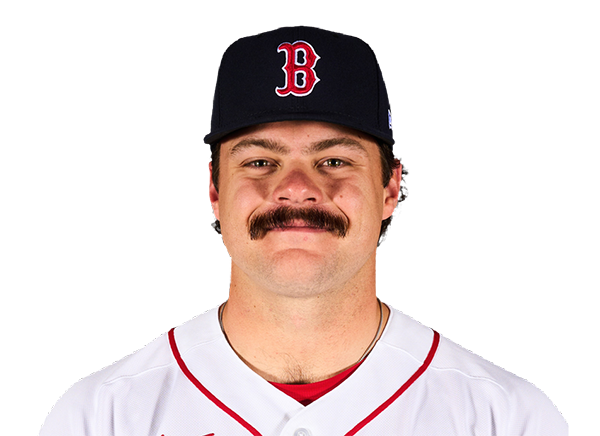
The Fantasy Baseball Prospects Report took a sharp turn this week when Sonny Gray went down with a hamstring strain. For bettors tracking MLB roster movement—not fantasy players chasing saves—this injury creates the kind of market inefficiency that books haven’t fully priced in. Payton Tolle, the Red Sox’s 6’6″ left-hander with elite fastball metrics, is about to get regular rotation work. The question isn’t whether he gets called up; it’s whether you’re positioned in team totals and pitcher props before the line corrects.
Prospect call-ups are where sharp MLB bettors find edges. Books are slow to adjust run lines and totals when Triple-A arms replace veterans. The market knows Gray is out. It doesn’t yet know how to price Tolle’s strikeout upside against his lack of major league track record. That’s your window.
Market Implications: What Gray’s Injury Actually Means
Sonny Gray’s hamstring injury does more than open a rotation spot. It fundamentally changes how you should approach Red Sox games for the next 2-4 weeks. Here’s the market read:
- Red Sox team totals: Expect suppressed lines in Tolle starts until he proves himself. The public will hammer unders based on his 6.06 ERA from 16.2 innings last season. Sharps know that small sample is noise—his fastball whiff rate approached 30%.
- First five innings (F5) bets: Tolle’s stuff plays, but his pitch count management will be conservative. Red Sox F5 lines may offer value if the market overweights his 2025 struggles.
- Strikeout props: When books post Tolle’s K line, the over will likely be mispriced low initially. His fastball grades 70-80 on the scouting scale. That’s elite bat-missing stuff.
The Red Sox were strategically holding Tolle back at Triple-A, waiting for exactly this scenario. He hasn’t pitched since April 12—fresh arm, clear opportunity, Saturday start likely. MLB.com confirmed the team anticipated needing him as a spot starter. That’s not speculation; that’s organizational planning.
Payton Tolle: The Sharp Play Everyone’s Missing
Tolle’s 2025 major league numbers look ugly on the surface: 6.06 ERA, 1.59 WHIP across 16.2 innings. Surface-level analysis would tell you to fade him. That analysis would be wrong.
Here’s what the underlying data shows:
- Fastball whiff rate: Nearly 30% swing-and-miss on his primary pitch
- Arm angle advantage: Low release point creates elite ride on the four-seam
- Extension metrics: Top-of-scale extension—batters see the ball later than velocity suggests
- 2026 Triple-A performance: 2-0, 3.00 ERA, 1.07 WHIP, 19 K in 15 IP
The mechanical adjustment that matters: Tolle added a sinker and cutter this season. Last year, he threw his four-seam 64% of the time—a predictability problem major league hitters exploited. Three fastball variations from a low arm slot with that extension? That’s a different pitcher entirely.
Sharp angle: Tolle ranked ahead of Noah Schultz in prospect evaluations entering 2026. If Schultz got this opportunity, the market would price it very differently. Tolle’s brand recognition hasn’t caught up to his stuff.
Secondary Prospects Creating Market Inefficiencies
Robby Snelling, SP, Marlins
2026 Triple-A line: 1-1, 1.89 ERA, 0.95 WHIP, 31 K in 19 IP
The Marlins rotation includes Chris Paddack and Janson Junk. Read that sentence again. Snelling’s call-up is a matter of when, not if. His last two starts: 12 strikeouts in five innings, then nine strikeouts in six innings.
The betting angle here is futures-oriented. Marlins team totals will compress slightly when Snelling arrives. If you’re playing divisional matchups, track his promotion closely. His velocity has trended up after a slow spring, and the 10.7% swinging-strike rate is deceiving—the strikeout results suggest the underlying stuff is sharper than that metric indicates.
Bryce Eldridge, DH, Giants
2026 Triple-A line: .315 BA, .904 OPS, 2 HR in 73 AB
Eldridge creates less immediate betting value because his promotion timeline is uncertain. Casey Schmitt’s surprisingly competent play has complicated the calculus. However, if Eldridge gets the call, monitor Giants team totals—his power upside could juice run scoring expectations.
The strikeout rate concern (over 30% in recent games) matters less for betting purposes. We’re not picking him for fantasy; we’re tracking whether his bat forces a roster move that affects total lines.
Didier Fuentes, SP, Braves
2026 Triple-A line: 1-1, 2.16 ERA, 0.84 WHIP, 20 K in 16.2 IP
Spencer Strider’s rehab start changes the Fuentes calculus. Martin Perez’s rotation spot may not be available much longer anyway, and the Braves have JR Ritchie posting a 0.99 ERA at Triple-A as well. Fuentes is a stash play for later in the season, not an immediate market mover.
Ryan Waldschmidt, OF, Diamondbacks
2026 Triple-A line: .337 BA, 1.009 OPS, .455 OBP, 4 SB in 83 AB
Waldschmidt’s 11-game heater (.439, 18-for-41) is exactly the kind of dominance that precedes call-ups. The Diamondbacks are still running Alek Thomas out there daily—replacement-level production that Waldschmidt would immediately upgrade.
Exit velocity concerns (88.5 mph average at Triple-A) are real, but his spring training data showed six balls hit harder than 110 mph. The power is there; the Triple-A launch angle data may be a sample size issue.
Emmanuel Rodriguez: The Sleeper Market Play
Here’s one that sharps are watching quietly. Emmanuel Rodriguez fell out of top-50 prospect rankings after a mediocre 2025, but his Triple-A St. Paul numbers have turned: .271 BA, .954 OPS, 4 HR, 92.4 mph average exit velocity.
The key development: his fly-ball rate nearly doubled from last season. He’s elevating, not just barreling. He hit a 117.1 mph home run Saturday—the hardest-hit ball in Saints franchise history and tied for second-hardest in all of baseball this season.
The Twins’ outfield situation creates opportunity. If Rodriguez gets the call, that elite exit velocity translates to immediate run production—and Twins totals will need adjustment.
How to Apply This to Your Betting
Prospect promotions create the kind of closing line value opportunities that separate winning bettors from the public. Here’s the framework:
- Track roster moves before the books do. Beat the market by hours, not days. Tolle’s Saturday start isn’t officially announced yet—you have time.
- Focus on team totals, not sides. Pitching changes affect run expectation more directly than spread lines.
- Wait for opening lines, then evaluate. If Tolle’s strikeout prop opens at 4.5, the over has value. If it opens at 6.5, the market already knows.
- Understand the reverse line movement. If public money hammers unders on a Tolle start but the line moves toward the over, follow the sharp action.
Sharp Angle Summary
Sonny Gray’s injury isn’t a fantasy baseball story. It’s a market inefficiency story. Tolle’s fastball metrics suggest his strikeout upside is mispriced. His secondary pitch development suggests his ERA will regress positively from 2025’s small sample.
For EV bettors and those tracking expected value in MLB props, the next two weeks of Tolle starts represent exploitable variance before the market corrects. Snelling’s Marlins promotion offers similar value on a longer timeline.
The edge isn’t in knowing who’s good. It’s in knowing when the market hasn’t priced in what you already know.
FAQ
When will Payton Tolle be called up to the Red Sox?
Tolle is expected to start Saturday for the Red Sox following Sonny Gray’s hamstring injury. He hasn’t pitched since April 12, suggesting the team was holding him back specifically for this scenario. The promotion is essentially confirmed—the only question is whether it happens Friday or Saturday.
How does a pitching prospect call-up affect MLB betting lines?
Pitching prospect promotions typically suppress team totals initially as books account for uncertainty. Sharp bettors look for edges in strikeout props (often underpriced for high-K prospects) and first-five-inning lines. The key is betting before the market fully adjusts to the new pitcher’s underlying metrics.
What are Payton Tolle’s strikeout projections for his 2026 starts?
Tolle’s fastball whiff rate approached 30% in his 2025 major league cameo, elite for any pitcher. His 19 strikeouts in 15 Triple-A innings this season (11.4 K/9) suggests his props should open higher than books will likely price them. Compare his K rate to established pitchers in similar matchups to find value.