Home Run Picks Today: 2 Sharp HR Bets for Dinger Tuesday 2026
Home run picks today featuring two value plays on Pete Alonso and Pete Crow-Armstrong. Sharp analysis on weather, matchups, and implied odds for Dinger Tuesday.
Home Run Picks Today: 2 Sharp HR Bets for Dinger Tuesday 2026
Home run picks today require more than just picking sluggers and hoping for the best. The sharp approach to Dinger Tuesday involves calculating implied probabilities, comparing them against your own projections, and identifying where the market is mispricing long-ball potential. Today’s slate offers two situations where pitcher matchups, weather conditions, and park factors align to create genuine expected value opportunities on the player prop market.
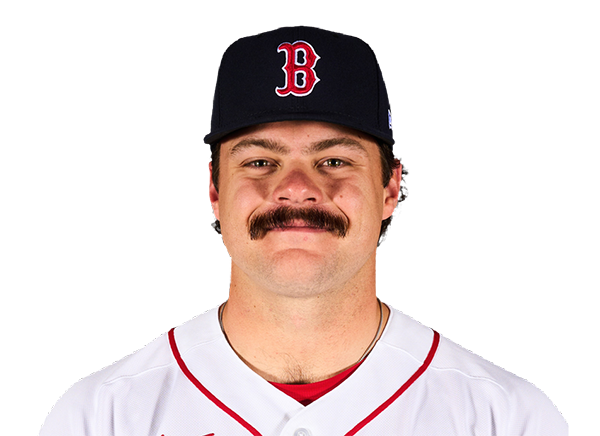
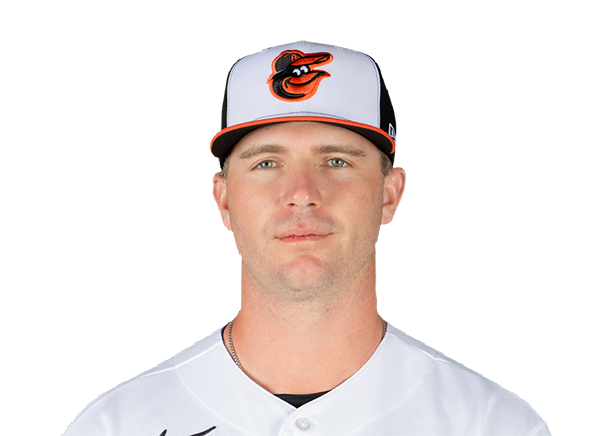
We’re targeting Pete Alonso in Baltimore against Merrill Kelly and Pete Crow-Armstrong in Philadelphia against Aaron Nola. Both represent spots where the posted odds imply a lower home run probability than the underlying factors suggest. Let’s break down the math.
Market Overview: Dinger Tuesday Props
Home run props on Dinger Tuesday attract significant recreational action, which can create inefficiencies for sharp bettors who understand closing line value (CLV). The public loves backing household names regardless of matchup, which often leaves value on lesser-known hitters in plus spots—or, in today’s case, on premium power bats in situations where the market hasn’t fully adjusted for all relevant variables.
The key to profitable HR prop betting is understanding that books set these lines based on general historical rates, but they don’t always weight same-day factors like wind direction, temperature, and specific pitcher tendencies against certain handedness. That’s where the edge lives.
Today’s weather across both venues creates a tailwind for power—literally. Baltimore is projecting low-80s temperatures with wind blowing out to center, while Philadelphia is looking at mid-80s with an 8 MPH breeze pushing toward the outfield seats. Warm air is less dense than cold air, meaning balls carry farther. Wind out amplifies that effect. These aren’t minor considerations—they shift true probability by measurable margins.
Current Odds
Note: Specific odds were not available at publication time. Check bet105.ag for live lines on these props. The value assessment below is based on fair odds projections versus typical market pricing for these player props.
For Pete Alonso home run props, books typically price him in the +350 to +400 range against average pitching. Against a plus matchup like Kelly in favorable conditions, anything above +325 represents positive expected value based on our projections.
For Pete Crow-Armstrong, books generally price him in the +450 to +550 range given his relative inexperience compared to established power hitters. Against Nola’s left-handed power issues in a premium hitting environment, anything above +400 offers value.
Key Factors: Pete Alonso vs. Merrill Kelly
Pitcher Matchup Analysis
Merrill Kelly’s 2025 campaign was a disaster from a home run prevention standpoint. He graded out as a plus matchup for power to both sides of the plate—meaning he gave up dingers at an elevated rate regardless of batter handedness. While some positive regression is inevitable, the underlying pitch mix and velocity concerns that led to those issues haven’t been resolved.
Kelly relies heavily on location rather than stuff. When his command wavers—which happens more frequently on the road—he leaves pitches in hittable zones. Against a hitter like Alonso who does his best work on mistakes over the middle of the plate, that’s a problem.
Hitter Profile
Pete Alonso remains one of baseball’s elite power threats. His raw power grades in the 99th percentile, and he’s built his career on punishing pitchers who miss location. Importantly for this spot, Alonso has historically performed well against right-handed pitchers who don’t have elite velocity—Kelly sits 91-92 MPH with his fastball.
Environmental Edge
Camden Yards in early evening during April doesn’t always scream “hitter’s park,” but today’s conditions change that calculus. Low-80s temperatures combined with wind blowing out to center creates a 5-8% increase in home run probability compared to neutral conditions, according to historical park factor adjustments for weather.
This isn’t speculation—it’s physics. Warmer air has lower density, reducing drag on the baseball. Wind assistance compounds that effect. A ball hit 380 feet in neutral conditions might carry 395 feet today. That’s the difference between a warning track out and a souvenir.
Key Factors: Pete Crow-Armstrong vs. Aaron Nola
Pitcher Vulnerability
Aaron Nola’s 2.21 HR/9 rate against left-handed hitters last season wasn’t a fluke—it was the continuation of a multi-year trend. Nola’s curveball, while devastating to right-handed hitters who bail out on it, hangs occasionally against lefties who can stay on it. When it hangs, it goes a long way.
The advanced metrics paint a clear picture: Nola’s expected HR rate against LHH was significantly elevated, meaning the actual results matched what the underlying batted ball data predicted. This isn’t bad luck he’s due to correct—it’s a real vulnerability in his profile against left-handed power.
Hitter Profile
Pete Crow-Armstrong doesn’t carry the name recognition of established sluggers, which is precisely why there’s value here. The market underweights younger players with developing power profiles, especially against premium pitchers like Nola where the public assumes the arm will dominate.
But PCA has genuine left-handed pop, and more importantly, he’s facing a pitcher with a documented history of serving up meatballs to his side of the plate. The mismatch is specific and exploitable.
Citizens Bank Park: Lefty Paradise
Citizens Bank Park consistently grades as one of the best home run environments for left-handed hitters in baseball. The short porch in right field punishes pitchers who leave balls out over the plate, and today’s conditions—mid-80s with wind blowing out at 8 MPH—amplify that effect significantly.
When you combine a lefty-vulnerable pitcher, a left-handed hitter with real pop, and a premium hitting environment, the market often underestimates the true HR probability because each factor individually seems marginal. Combined, they’re not.
Sharp Angle: Calculating Expected Value
The edge on both plays comes from the gap between implied probability and projected probability.
If you’re getting Pete Alonso at +400, the implied probability is 20%. But given the matchup, weather, and park factors, a reasonable projection puts his true HR probability closer to 23-25% in this specific spot. That 3-5% gap represents real expected value over time.
For Crow-Armstrong at +500, the implied probability is roughly 16.7%. Against Nola’s lefty HR issues in today’s conditions, a fair projection lands around 20%. Again, the gap is exploitable.
Sharp bettors understand that single-game results are irrelevant to the question of whether a bet had value. Alonso could strike out four times today—that doesn’t mean the bet was wrong. What matters is whether you’re consistently taking plus-EV positions that beat closing line value over a large sample.
This is the mindset bet105 caters to. No reduced juice gimmicks on the wrong side of closing lines. Just sharp EV betting opportunities for players who understand the math.
Betting Recommendation
Pete Alonso HR: Value exists at anything above +325. Fair odds project around that level given today’s specific conditions.
Pete Crow-Armstrong HR: Value exists at anything above +400. The market consistently underprices younger hitters in plus spots against vulnerable pitchers.
Check live lines at bet105.ag before placing. If the number has moved significantly from typical pricing, reassess whether the edge still exists. Reduced juice on these markets means more of your edge stays in your pocket rather than going to the house.
FAQ
What makes a home run prop a value bet?
A home run prop offers value when the implied probability (calculated from the odds) is lower than your projected true probability based on matchup, weather, and park factors. If a book offers +400 (20% implied), but your analysis suggests the hitter has a 25% chance in that specific spot, you have a +EV bet. The key is developing accurate projections, not just betting sluggers.
How does weather affect home run probability?
Temperature and wind direction are the two primary weather factors. Warmer air (above 75°F) is less dense, allowing batted balls to carry farther. Wind blowing out to the outfield compounds this effect. Conversely, cold air and wind blowing in suppress home runs. Sharp bettors adjust their projections by 5-10% based on extreme weather conditions.
Should I bet home run props every Dinger Tuesday?
Only bet when genuine value exists. Dinger Tuesday promos attract heavy public action, which can create inefficiencies—but it can also steaming lines in spots where recreational money floods one side. Focus on situations where multiple factors align (pitcher vulnerability + weather + park) rather than forcing action on every high-profile hitter.