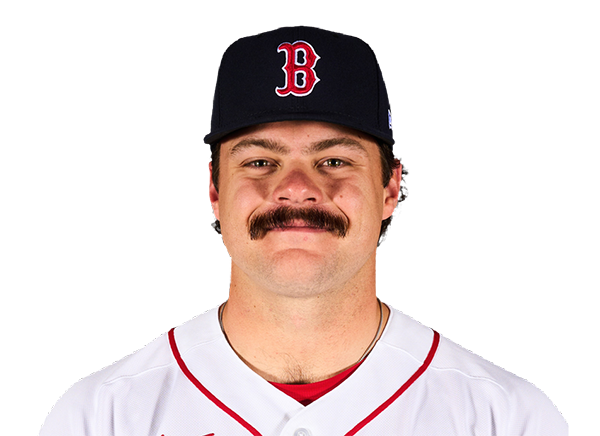
MLB Home Run Picks April 15: Rice, O’Hearn Props Worth Backing
Free MLB home run picks for April 15: Sharp analysis on Ben Rice and Ryan O'Hearn HR props with weather edges and pitcher splits that matter.
MLB Home Run Picks April 15: Rice, O’Hearn Props Worth Backing
Wednesday’s 15-game MLB slate offers plenty of noise, but sharp bettors know the real edges hide in the prop markets — specifically home run props where weather, pitcher tendencies, and batted ball data converge. Today’s free MLB home run picks for April 15 zero in on two players whose profiles scream positive expected value: Ben Rice facing a control-challenged Angels starter in favorable Yankee Stadium conditions, and Ryan O’Hearn getting a lefty-favorable matchup against Jake Irvin with wind howling out in Pittsburgh. These aren’t lottery tickets — they’re calculated plays backed by hard-hit rates, pitcher splits, and environmental factors that move the needle.
Market Overview: Where the Value Sits in HR Props
Home run props remain one of the most inefficient markets in MLB betting, primarily because recreational money floods toward household names regardless of matchup quality. When Shohei Ohtani is priced at +231 to go yard on a day he’s also pitching, the public eats it up — and the books know it.
The sharper play is often finding mid-tier hitters in optimal spots where the market hasn’t fully adjusted for situational factors. Today’s slate presents exactly that: two players whose price tags don’t reflect the confluence of favorable variables stacking in their favor.
What separates recreational HR prop bettors from winning players is understanding that these bets live and die on three factors: batted ball quality, pitcher vulnerability to the long ball, and environmental conditions. When all three align, you’re not gambling — you’re exploiting market inefficiency.
Current Home Run Prop Odds
While specific bet105 lines should be confirmed at game time due to market movement, the prices we’re analyzing are based on current market rates:
—ODDS BLOCK—
| Market | Line |
|——–|——|
| Ryan O’Hearn HR | +700 |
| Ben Rice HR | +242 |
| Shohei Ohtani HR | +231 |
—END ODDS BLOCK—
Note: Always check bet105’s reduced juice offerings on props — even small improvements in vig compound significantly over a season of prop betting. The difference between -110 and -105 juice on the underlying markets affects how these derivative props are priced.
Key Factors: Ben Rice vs. Jack Kochanowicz
Rice’s profile over the last two weeks is borderline absurd for a hitter priced at +242:
- 25% barrel rate — elite contact quality that directly correlates with HR probability
- 80% hard-hit rate — he’s squaring everything up
- 99.1 mph average exit velocity — among the league’s hardest hitters during this stretch
- 43.5% fly ball rate vs. RHP — he’s lifting the ball at a premium clip
- .389 BA / 26.5% walk rate vs. RHP — getting on base constantly, seeing hittable pitches
Now factor in the matchup: Jack Kochanowicz hasn’t allowed a home run yet this season, which sounds like a negative until you dig deeper. The Angels starter has struggled mightily with control and limiting walks — which means elevated pitch counts, more fastballs in the zone, and fatigue-induced mistakes as the game progresses.
The environmental kicker: wind blowing out at 10.3 mph at Yankee Stadium, a park that already plays as one of the most HR-friendly venues in baseball. The short porch in right field becomes even more dangerous when the wind is carrying.
This is textbook EV betting — identifying spots where batted ball data, matchup quality, and environment all point the same direction while the market price lags behind.
Key Factors: Ryan O’Hearn vs. Jake Irvin
O’Hearn at +700 is the longer shot, but the value profile is compelling for a player in a defined positive spot:
Jake Irvin has allowed one home run in each of his first three starts — that’s consistency in giving up the long ball, not a fluke. More importantly, his HR vulnerability shows a clear split:
- 26 of 36 HRs allowed last season came against left-handed hitters — that’s 72% of his HRs allowed going to the opposite side
- Two of his three HRs allowed this year are to lefties — the pattern continues
O’Hearn’s 2026 profile supports the play:
- Three dingers already this season, two off right-handed pitching
- .538 slugging percentage vs. RHP — generating power consistently
- 44.3% hard-hit rate vs. Irvin career — he’s seen this pitcher and made loud contact
The weather in Pittsburgh is the x-factor that makes this prop sing: wind blowing out 10+ mph with gusts potentially reaching 22 mph. In a park that typically plays neutral, those conditions turn warning track flies into souvenirs.
At +700, you’re getting 7-to-1 on a lefty with a history of hitting dingers off righties, facing a pitcher who can’t keep the ball in the yard against left-handed bats, with the wind doing everything possible to help fly balls carry. This is how you find closing line value in prop markets.
Sharp Angle: Why These Props Beat the Market
The recreational bettor sees Ohtani at +231 and Ben Rice at +242 and gravitates toward the name. But sharp bettors understand that fame doesn’t equal expected value.
Rice’s current batted ball data suggests he should be priced closer to +200 in a neutral environment — factor in wind-out conditions at Yankee Stadium and the number drops further. The market simply hasn’t caught up to his two-week heater because his name doesn’t command headlines.
O’Hearn at +700 represents a different kind of value: longshot plays where the probability of success is higher than the odds suggest. If you assess his true HR probability against Irvin in these conditions at even 10%, you’re getting significant edge at 7-to-1 (implied probability 12.5%).
This is the kind of contrarian betting that defines sharp MLB prop play: fading public favorites while backing situationally advantaged underdogs.
Betting Angle: How to Approach Wednesday’s Props
For disciplined bankroll management, here’s how sharps might structure these plays:
Ben Rice HR (+242) — This is the higher-confidence play with the shorter price. Rice’s contact quality metrics are elite right now, the matchup is exploitable, and the environment helps. Standard unit sizing is appropriate.
Ryan O’Hearn HR (+700) — Treat this as a value longshot with reduced sizing. The edge exists, but variance is higher at this price point. Half-unit or quarter-unit plays preserve bankroll while capturing the expected value.
One approach sharp bettors use: allocate a fixed daily budget to HR props and distribute across multiple positive-expectation plays rather than loading up on one. Over a full season, this strategy smooths variance while exploiting market inefficiencies consistently.
For those tracking closing line value, note where these props are priced now versus where they settle at first pitch. If Rice moves from +242 toward +220 and O’Hearn tightens from +700 toward +550, you’ll know the market agreed with the analysis — and you captured CLV by betting early.
Beyond Today: Building a Prop Betting Edge
Wednesday’s MLB home run picks illustrate a repeatable process for finding value in player props:
- Identify batted ball outliers — players running hot on barrel rate, hard-hit rate, and exit velocity
- Match against vulnerable pitchers — look for HR-prone arms facing hitters on the correct side of the split
- Check environmental factors — wind direction, park factors, temperature (heat carries balls farther)
- Compare to market price — if your estimated probability exceeds implied odds, you have an edge
This methodology doesn’t guarantee daily winners, but it does guarantee you’re making positive expected value plays over time. And in betting, that’s the only sustainable path to profit.
For more on exploiting betting market inefficiencies, check out bet105’s guides on EV betting fundamentals and how reduced juice impacts long-term ROI.
FAQ
What makes home run props valuable for sharp bettors?
Home run props attract heavy recreational money toward star players regardless of matchup quality, creating inefficiencies. Sharp bettors exploit these by identifying mid-tier players in optimal spots — favorable pitcher splits, elite batted ball data, and wind-out conditions — where the market price hasn’t adjusted. The key is finding plays where your estimated probability exceeds the implied odds.
How does weather affect MLB home run prop betting?
Wind direction is the single biggest weather variable for HR props. Wind blowing out at 10+ mph can turn warning track flies into home runs, effectively lowering the true probability threshold for any given hitter. Temperature also matters — warmer air is less dense and allows balls to carry further. Smart prop bettors check conditions at each park before placing HR bets.
What stats matter most for evaluating home run props?
Barrel rate, hard-hit rate, and average exit velocity are the holy trinity of HR prop analysis. A player with a 25%+ barrel rate and 95+ mph exit velocity is squaring up pitches at a premium clip. Combine that with fly ball rate against the specific pitcher handedness, and you have a reliable framework for identifying true HR probability versus what the market suggests.