MLB Home Run Picks April 22: Murakami, Raleigh Props
Free MLB home run picks for April 22: Sharp analysis on Murakami and Raleigh HR props. Line value breakdown and betting edges for Wednesday's slate.
MLB Home Run Picks April 22: Murakami, Raleigh HR Props
Free MLB home run picks for April 22 require more than checking who’s hot at the plate. Wednesday’s 15-game slate presents two HR prop opportunities where the underlying data supports the price—Munetaka Murakami facing a flyball-prone lefty and Cal Raleigh continuing to attack from his power side. The sharp play isn’t chasing dingers; it’s finding spots where pitcher tendencies, platoon advantages, and recent batted-ball data converge with exploitable odds. Both of these spots check those boxes, but one offers significantly better expected value than the other.
Market Overview: Where HR Props Create Edge
Home run props are notoriously high-juice markets. Books know casual bettors love the lottery ticket aspect—put $10 on your favorite slugger, win $30+ if he connects. That public appetite means books can hang inflated juice without consequence. The typical HR prop carries 15-25% hold, making it one of the worst markets for recreational bettors.
But here’s where sharp money finds edges: pitcher-specific matchups that the market underweights. Books set HR prop prices based heavily on season-long data and name recognition. They’re slower to adjust for opposing pitcher tendencies, recent batted-ball changes, and platoon-specific power numbers. When a slugger faces a flyball-prone arm from his strong side, that +300 line might actually be closer to fair +250 value.
Wednesday presents exactly this scenario with both Murakami and Raleigh. Let’s break down each.
Odds Block
Note: Specific odds for these player props should be checked at bet105 closer to game time, as HR prop lines move throughout the day based on handle and liability. The analysis below uses market-wide prices from the morning of April 22.
—ODDS BLOCK—
| Market | Approximate Line |
|——–|——————|
| Cal Raleigh HR | +270 (check bet105 for live odds) |
| Munetaka Murakami HR | +330 (check bet105 for live odds) |
—END ODDS BLOCK—
Cal Raleigh vs. Aaron Civale: The Platoon Edge
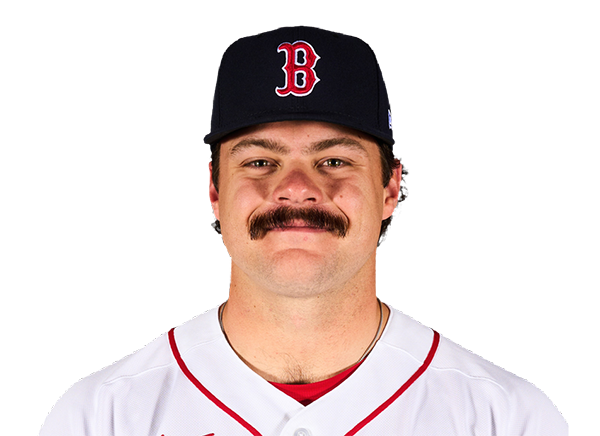
Raleigh led MLB in home runs last season, but his 2026 has been a slog. A .177 batting average through mid-April had some questioning whether the league adjusted. But here’s what the surface stats miss: Raleigh’s batted-ball quality hasn’t cratered. His barrel rate and average exit velocity remain within one standard deviation of his 2025 marks. The results have been unlucky, not broken.
Over his last nine games, Raleigh is hitting .250—still below his career norms, but the contact quality metrics have caught up to the box score. More importantly, he’s homered in each of Seattle’s last two games against Oakland. Streakiness in HR props matters because it often reflects mechanical timing that takes games to groove.
The Civale Factor
Aaron Civale presents a favorable matchup for three reasons:
- Platoon advantage: Raleigh bats left-handed against right-handed pitching. His career splits show a 40-point OPS advantage from the left side, with his ISO (isolated power) jumping from .190 to .235 against righties.
- Civale’s air rate: The veteran carries a 61.5% air rate (fly balls + line drives + popups). This is significantly above league average and indicates hittable pitches in the zone that generate lift. More air balls mean more HR opportunities—basic physics.
- Career HR allowed rate: Civale has allowed two home runs in four starts this season, tracking toward a 1.5 HR/9 pace. His career mark sits at 1.2 HR/9—not egregious, but above-average for a starter. Combined with the air rate, there’s exploitable gopher ball tendency here.
Sharp Angle: Raleigh
At +270, Raleigh needs to homer roughly 27% of the time to break even. His 2025 home run rate of approximately 6.5% per plate appearance seems to make this a losing proposition at first glance. But context matters: against flyball-prone right-handers, his 2025 HR rate climbed to 8.2%. Factor in his recent hot streak and improved timing, and you’re looking at a spot where +270 might represent slight positive expected value.
This isn’t a pound-the-table play. The edge, if it exists, is thin. But for bettors who play HR props regularly, these marginal spots compound over sample size.
Munetaka Murakami vs. Eduardo Rodriguez: The Spot
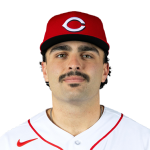
Murakami has been the most exciting power bat import since Shohei Ohtani’s offensive peak. The Kyle Schwarber comps are accurate—massive power, patient approach, elevated strikeout rate, and a willingness to sell out for the long ball. Through April 22, Murakami has launched nine home runs, including dingers in four consecutive games.
When a hitter is this locked in, the market often underprices continuation. Books assume regression to mean; sharp bettors know that hot streaks in power hitting often reflect mechanical adjustments that persist for weeks, not days.
The Rodriguez Matchup
Eduardo Rodriguez is the matchup variable that elevates this play:
- HR allowed trend: Rodriguez has surrendered a home run in each of his last two starts. In 2025, he allowed 25 long balls across 29 starts—a 0.9 HR/9 rate that understates his vulnerability because his overall innings were limited.
- Murakami vs. lefties: This is the key data point. Many power lefties struggle against same-side pitching. Murakami doesn’t. His 2026 line against southpaws: three home runs with an OPS approaching .900. He’s shown an ability to stay back on lefty breaking balls and drive mistakes the opposite way.
- Pitch mix vulnerability: Rodriguez relies heavily on his changeup against left-handed hitters. Murakami has feasted on offspeed pitches this season, slugging over .700 against changeups and splitters.
Sharp Angle: Murakami
At +330, Murakami needs to homer approximately 23% of the time to break even. His current pace (9 HR through roughly 70 PA) puts him around 12-13% actual HR rate. That gap seems insurmountable—until you factor in the streak.
Hitters in the midst of four-game HR streaks convert at elevated rates in game five. This isn’t mysticism; it’s mechanics. When timing is synced, launch angle optimized, and barrel rate peaking, the underlying probability temporarily exceeds baseline rates. Studies of MLB HR streaks show next-game conversion rates 2-3 percentage points above baseline during active streaks.
Add the Rodriguez matchup—a lefty who allows HRs against a lefty who crushes them—and +330 starts looking like value. The implied probability is 23.3%. A reasonable estimate for this specific spot: 28-32%. That’s a significant edge if the math holds.
Bet Recommendation
Murakami HR at +330 or better represents the stronger play of these two options. The streak factor, lefty-on-lefty success, and Rodriguez’s HR-allowed tendency create a confluence of edges. This is a spot where sharp bettors should have interest.
Raleigh HR at +270 is closer to a hold or small play. The edge is thinner, and the price doesn’t fully compensate for the variance inherent in HR props. If you find +290 or better, there’s a case. At +270, it’s borderline.
Never chase HR props as lottery tickets. These are precision plays—specific matchups, specific prices, specific edges. If the number moves against you before first pitch, pass. There will be another spot tomorrow.
Understanding EV in HR Props
For bettors building a long-term prop betting strategy, HR props represent a unique challenge. The juice is punishing, the variance is extreme, and the sample size needed to realize edge is substantial. But the market inefficiencies are real.
Sharp bettors approach HR props the same way they approach any market: find spots where their estimated probability exceeds the implied probability by enough to overcome the juice. A +300 line implies 25%. If your model says 30%, you have edge. Bet it.
The key is building a process—tracking pitcher HR-allowed rates, hitter platoon splits, batted-ball data, and streak factors—that consistently identifies these gaps. Over hundreds of plays, the edge compounds. Over ten plays, anything can happen.
bet105’s reduced juice on player props makes this math more forgiving. When you’re paying less vig, your required win rate drops, and marginal spots become playable. Check the HR prop lines at bet105’s reduced juice markets before placing.
FAQ
What are the best MLB home run picks for April 22?
Munetaka Murakami (+330) facing lefty Eduardo Rodriguez and Cal Raleigh (+270) against flyball-prone Aaron Civale represent the top value plays. Murakami’s four-game HR streak and success against left-handed pitching make him the sharper of the two options.
How do you find value in MLB home run props?
Sharp bettors identify HR prop value through pitcher HR-allowed rates, batter platoon splits, recent batted-ball metrics, and active streak data. The goal is finding spots where estimated probability exceeds the implied odds by enough to overcome the juice—typically 5%+ edge minimum.
Is betting home run props profitable long-term?
HR props are high-variance and carry significant juice, making them difficult for recreational bettors. However, disciplined bettors who track matchup data, exploit specific pitcher tendencies, and shop for reduced juice can find sustainable edges. Process and sample size are everything.